
Constructive Dismissal in Kenya: Understanding Employees’ and Employers’ Rights
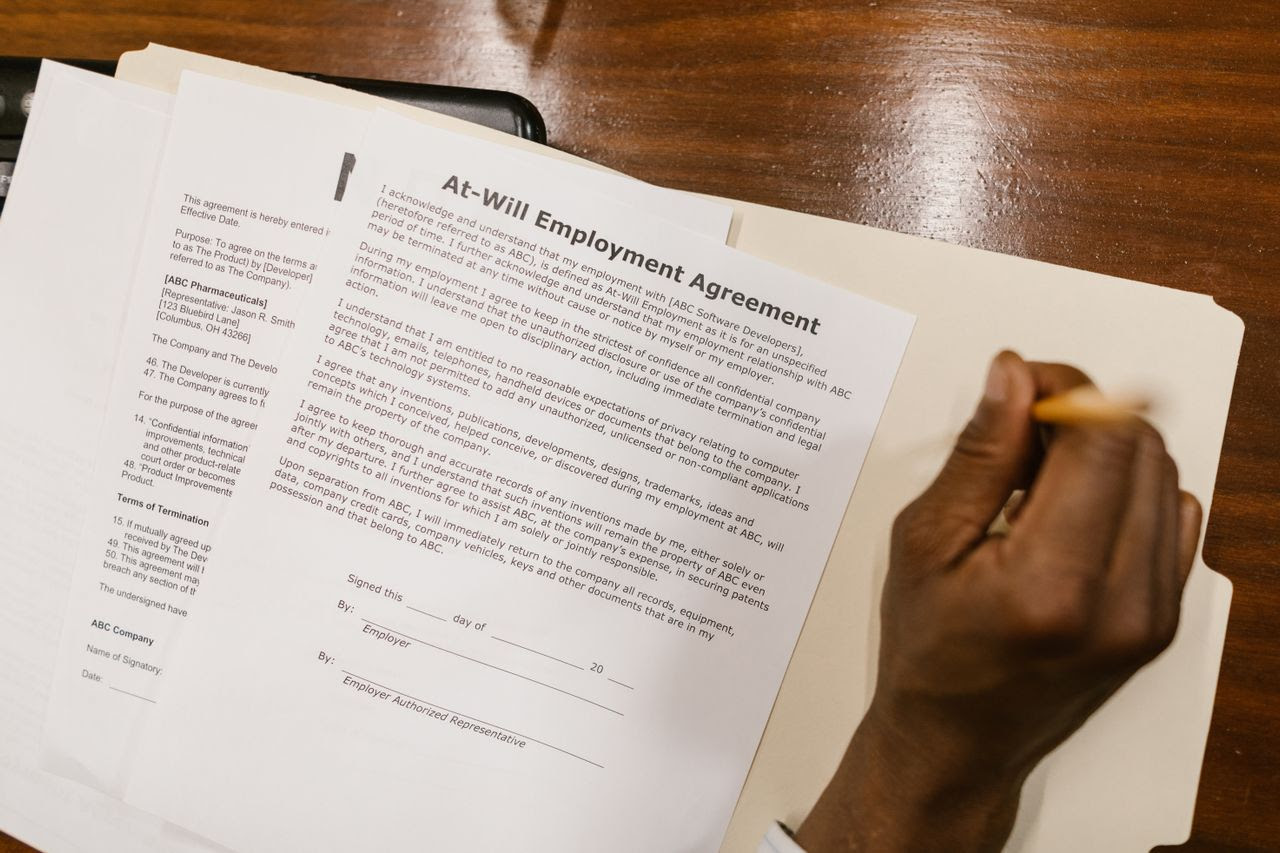
While many employment disputes often arise from express termination by an employer or resignation by an employee, there are situations where one party’s conduct effectively brings the employment relationship to an end without an explicit dismissal or resignation. This is where the doctrine of constructive dismissal becomes relevant.
Constructive dismissal occurs where an employer, through its conduct, fundamentally breaches the employment contract, leaving the employee with no reasonable option but to resign. Although the employer has not expressly dismissed the employee, the law treats the resignation as a dismissal because it was induced by the employer’s wrongful conduct.
The doctrine is firmly recognized under Kenyan employment law and has been developed through judicial decisions interpreting the Employment Act, 2007 and constitutional principles on fair labour practices.
In Coca Cola East & Central Africa Limited v Maria Kagai Ligaga [2015] eKLR, the Court of Appeal affirmed that constructive dismissal arises where an employer’s conduct demonstrates an intention not to be bound by the essential terms of the employment contract. The Court further outlined the principles that courts should consider when determining whether constructive dismissal has occurred, namely:
- An analysis of the terms of the contract must be carried out
- There has to be a repudiatory breach of the fundamental terms of the contract from the conduct of the employer
- The breach by the employer must go to the root of the contract or demonstrate that the employer no longer intends to be bound by the terms of the contract
- The employer’s conduct must be evaluated objectively
- Causation must be proved ie. A nexus between the actions of the employee and the reasons for the employee terminating the contract of employment must be established
- Where the employer’s conduct is the effective reason for termination of a contract, an employee may leave with or without notice
- The employee must not have accepted, waived, acquiesced or conducted themselves in a manner that estops them from asserting repudiatory breach- they must resign within a reasonable period following the occurrence of the said breach
- The burden of proving such repudiatory breach is on the employee
- The facts giving rise to the repudiatory breach are varied and do not necessarily stem from one single isolated event
From the forgoing, it is clear that claims under constructive dismissal must meet both the unreasonable and contractual tests. This is to mean that the conduct complained of must be undue and intolerable that it would render it manifestly difficult for an employee to keep working in those conditions, similarly, there must be a breach of fundamental terms of the employment contract demonstrable from the conduct of the employer.
The burden of proof of constructive dismissal lies squarely on the employee alleging this as the reason for termination of their employment. The evidence of the intolerable conduct has to be unequivocal and the employee must also be innocent in terms of the contribution to the alleged unconducive environment. Evidence of formal complaints during their employment and the expression of frustration in the written resignation letter would support a claim for constructive dismissal.
Examples of conduct that may amount to constructive dismissal include persistent workplace harassment, unilateral reduction of salary, unlawful demotion, discrimination, victimization, failure to provide a safe working environment, and repeated breaches of contractual obligations. This is not an exhaustive list as each case is determined on its own facts, and courts will examine the overall conduct of the employer rather than isolated incidents.
Lessons from Kenyan Courts
Kenyan courts have consistently emphasized that constructive dismissal is not established merely because an employee is dissatisfied with the workplace. The employer’s conduct must amount to a serious or fundamental breach that destroys the mutual trust and confidence necessary for the continuation of the employment relationship.
Similarly, employers are expected to maintain workplaces that uphold dignity, equality and fair labour practices as guaranteed under Article 41 of the Constitution of Kenya.
For employers, this means ensuring that disciplinary measures are lawful, workplace policies are fairly implemented, and employment decisions are made transparently and consistently.
For employees, it means documenting workplace grievances, utilizing available internal dispute resolution mechanisms where possible, and seeking legal advice before resigning on grounds of constructive dismissal.
Practical Steps for Employers
To minimize exposure to constructive dismissal claims, employers should:
- Maintain clear and compliant employment contracts.
- Develop and implement fair human resource policies.
- Address employee grievances promptly and objectively.
- Conduct disciplinary proceedings in accordance with the Employment Act.
- Train managers on fair labour practices and workplace relations.
- Maintain proper documentation of employment decisions.
These measures not only reduce legal risks but also promote a productive and harmonious working environment.
Conclusion
To minimize exposure to constructive dismissal claims, employers should:
- Maintain clear and compliant employment contracts.
- Develop and implement fair human resource policies.
- Address employee grievances promptly and objectively.
- Conduct disciplinary proceedings in accordance with the Employment Act.
- Train managers on fair labour practices and workplace relations.
- Maintain proper documentation of employment decisions.
These measures not only reduce legal risks but also promote a productive and harmonious working environment.
How HMS AFRICA ADVOCATES Can Help
Employment and labour disputes require timely legal advice and strategic representation. At HMS Africa Advocates, we provide comprehensive legal solutions to employers and employees across a broad range of employment and labour relations matters.
Our team advises clients on drafting and reviewing employment contracts, workplace policies, disciplinary and grievance procedures, redundancy processes, executive exits, workplace investigations, compliance with the Employment Act, and employment risk management. We also represent clients before the Employment and Labour Relations Court and other dispute resolution forums in claims involving unfair termination, constructive dismissal, workplace discrimination, employee misconduct, breach of restrictive covenants, and other employment-related disputes.
Whether you are an employer seeking to ensure compliance or an employee protecting your workplace rights, HMS Africa Advocates offers practical, commercially sound and results-oriented legal solutions tailored to your unique circumstances.
Article by Caren Wanjau
For legal assistance or inquiries regarding employment, labour relations, outsourcing arrangements, trade union matters, or other workplace-related issues, please contact HMS Africa Advocates LLP via email at [email protected].
The contents of this article are intended for general information only and should not be construed as legal advice.