

Partner - Conveyancing/Commercial
Why Are Riparian Lands Under Scrutiny?
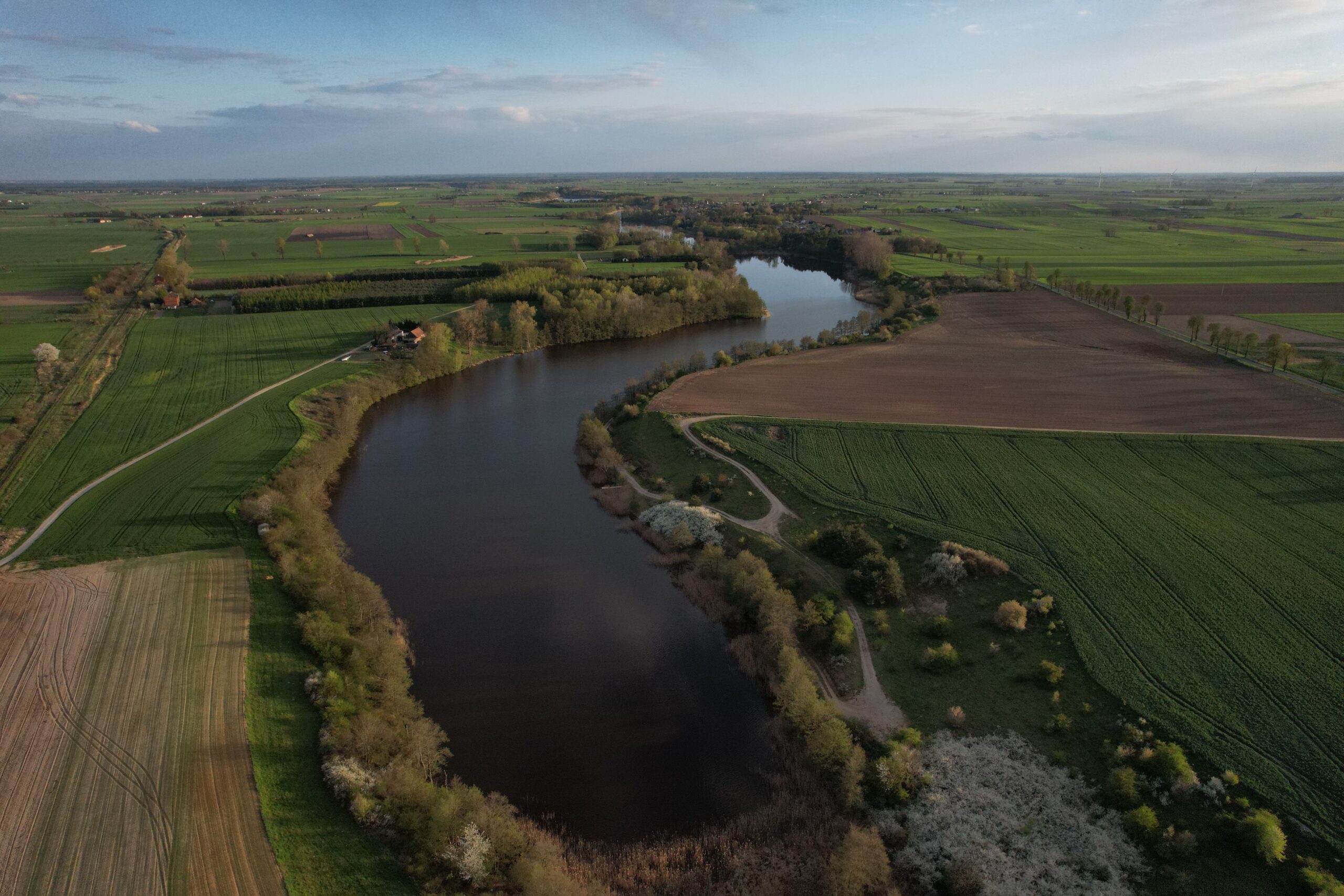
In the recent months, Nairobi has witnessed a series of high-profile demolitions and enforcement actions targeting developments alleged to have encroached on riparian reserves. These actions have sparked widespread public debate, particularly among land owners, developers, business owners and communities affected by these actions.
While these developments may suggest an increased commitment to environmental protection, they have raised critical legal questions on following due process, ensuring fairness and the protection of constitutional rights.
Why Are Riparian Lands Under Scrutiny?
Riparian reserves, being land adjacent to rivers, streams and other water bodies are protected to preserve the water quality, prevent flooding, reduce environmental degradation and maintain ecological balance. In urban areas such as Nairobi, the growing number of developments has placed pressure on the land use hence becoming central to enforcements and planning interventions.
The Legal Framework governing these issues is drawn from legislations including the Constitution of Kenya, the Water Act, the Environmental Management and Coordination Act, and the Fair Administrative Action Act. These laws provide the foundation for both environmental protection and safeguarding of individual rights.
Do Authorities Have Enforcement Powers?
Among other regulatory bodies established in the aforementioned legislations, the Water Resources Authority (WRA) is empowered to issue enforcement notices, require compliance and take corrective action where encroachment to riparian reserve is established. These powers are intended to ensure that public resources are protected and that environmental laws are respected.
However, such powers are not unfettered. They must be exercised within the confines of the Constitution and in accordance with established legal procedures. The existence of statutory authority does not permit arbitrary, unilateral or disproportionate action.
Fair Administrative Action Requirement
While the Kenyan laws grant the relevant authorities the power to demolish structures that encroach riparian reserves, such actions must be addressed in accordance with fair administrative doctrines enshrined in the Laws of Kenya: any decision affecting the rights or legitimate expectations must be fair, reasonable and procedurally proper.
Before enforcement action is taken, affected persons must be:
- Given an adequate notice of the alleged breach;
- Informed of the bases of the intended action;
- Afforded a meaningful opportunity to respond or be heard; and
- Engaged in public stakeholder meetings
Demolitions: the most extreme form of enforcement.
Demolitions, particularly those witnessed in parts of Nairobi, represent one of the most severe forms of enforcement action. While they may be legally justified in appropriate circumstances, they should always be treated as a measure of last resort. Such actions can have overreaching consequences including loss of livelihoods, displacement of persons among others. For this reason, authorities must carefully balance environmental objectives with the rights and welfare of affected individual. Even where encroachment is alleged or established, enforcement must remain guided by proportionality and due process.
Environmental Protection vs Constitutional Rights
The law does not place Environmental Protection and Human rRghts in opposition. Instead, it requires that both be upheld simultaneously.
The Constitution guarantees the right to a clean and healthy environment while also protecting the rights such as property, human dignity, access to justice and fair administrative action. Therefore, effective governance requires a balance of these interests.
Environmental restoration efforts must therefore be implemented in a manner that strengthens, rather than undermines, public confidence.
Conclusion
The law does not place Environmental Protection and Human Rights in opposition. Instead, it requires that both be upheld simultaneously.
The Constitution guarantees the right to a clean and healthy environment while also protecting the rights such as property, human dignity, access to justice and fair administrative action. Therefore, effective governance requires a balance of these interests.
Environmental restoration efforts must therefore be implemented in a manner that strengthens, rather than undermines, public confidence.